Discovering the Ingenious Processes Behind Modern Aluminum Foundry Workflow
Modern aluminum foundry operations are undergoing substantial change. Automation and AI are reshaping production approaches, enhancing both efficiency and precision. The assimilation of 3D printing is streamlining mold and mildew production, while sustainability methods are becoming extra essential. Each of these advancements plays a key function in redefining the market. The ramifications of these modifications expand past simple manufacturing efficiency. What chances and obstacles lie in advance for aluminum factories in this developing landscape?
The Duty of Automation in Light Weight Aluminum Foundries

Automation contributes to enhanced security standards within the factory environment. By moving harmful jobs to machines, human employees can concentrate on managerial roles and quality assurance, minimizing the danger of mishaps. In addition, information analytics acquired from automated processes offer beneficial insights into functional efficiency, bring about better decision-making and constant improvement. As the need for light weight aluminum items grows, the fostering of automation technologies will likely increase, additionally changing the landscape of aluminum factory operations.
Advancements in Casting Technologies
Recent improvements in casting innovations are transforming aluminum shop operations. Advancements such as 3D printing assimilation, advanced alloy solutions, and automated procedure optimization are boosting efficiency and item quality. These developments are essential in meeting the developing needs of the industry.
3D Printing Combination
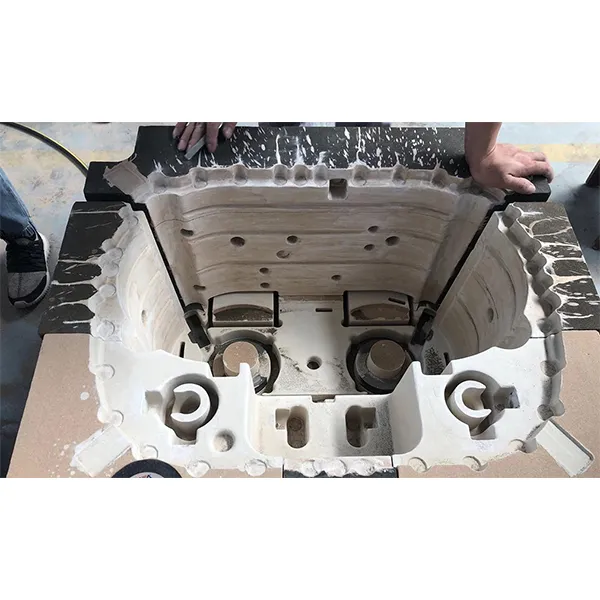
Integrating 3D printing modern technology right into aluminum factory operations has changed typical casting techniques, boosting both performance and accuracy. This innovative strategy permits the fast production of intricate molds and cores, significantly lowering lead times and material waste. By utilizing additive production, shops can develop complex geometries that were formerly tough or impossible to attain with traditional methods. The flexibility of 3D printing likewise enables fast layout alterations, cultivating a more nimble manufacturing procedure. On top of that, this combination sustains using lightweight frameworks, which is progressively vital in markets such as automotive and aerospace. As light weight aluminum shops proceed to adopt 3D printing, they place themselves at the forefront of technological advancement, driving improvements in item high quality and operational capacities.
Advanced Alloy Formulations
The development of advanced alloy formulations has significantly improved spreading modern technologies in light weight aluminum shop operations. These formulas integrate different elements, such as silicon, magnesium, and copper, to boost mechanical properties and thermal resistance. By customizing the composition of aluminum alloys, producers can achieve particular performance characteristics that satisfy the needs of varied applications, from automotive parts to aerospace frameworks. The usage of advanced alloys likewise adds to reduced weight and raised strength, which are vital factors in modern design. In addition, advancements in alloy growth enable better fluidity during spreading, causing enhanced surface area coatings and minimized flaws. Overall, progressed alloy formulas represent a substantial leap onward, placing light weight aluminum factories to satisfy the progressing demands of different sectors efficiently.
Automated Process Optimization
Innovations in casting modern technologies have led the way for computerized process improvement in aluminum shop procedures. By incorporating advanced software and real-time information analytics, factories can currently simplify manufacturing processes and improve high quality control. Automated systems check variables such as temperature level, stress, and cooling prices, enabling instant modifications that decrease flaws and waste. Furthermore, artificial intelligence formulas analyze historic performance information to forecast suitable settings, thereby increasing efficiency and reducing cycle times. Robotics also play a substantial duty, dealing with repeated tasks that boost safety and security and accuracy. Generally, these technologies not only drive operational effectiveness yet likewise enable factories to meet the expanding demand for top notch light weight aluminum elements in numerous sectors.
Smart Manufacturing and Sector 4.0 Combination
The combination of Smart Manufacturing and Industry 4.0 within aluminum shops is changing functional efficiency. By leveraging IoT innovations, automation, and robotics, shops can optimize manufacturing procedures and decrease downtime. In addition, data analytics provides crucial understandings that improve decision-making and drive constant renovation.
IoT in Shop Workflow
As suppliers significantly embrace the Net of Things (IoT), foundry procedures are experiencing a transformative change towards smart manufacturing and Market 4.0 assimilation. Precision aluminum casting. IoT innovations allow real-time data collection and analysis, improving decision-making processes and functional effectiveness. Sensors and connected gadgets check tools performance, material use, and environmental conditions, enabling proactive upkeep and resource optimization. This connection promotes a much more agile manufacturing setting, where changes can be made quickly in response to market needs. Furthermore, IoT assists in enhanced traceability and quality assurance, as data from the whole production cycle can be quickly accessed and examined. Generally, the assimilation of IoT in shop procedures substantially improves efficiency and drives development in light weight aluminum production procedures
Automation and Robotics Assimilation
Automation and robotics integration is transforming light weight aluminum foundry procedures by improving performance and precision. This transformative strategy simplifies processes such as molding, pouring, and ending up, decreasing human error and raising outcome consistency. By utilizing sophisticated robotic systems, factories can attain higher production rates while keeping rigid quality requirements. Automated systems also allow real-time tracking and flexible control, permitting for speedy modifications to manufacturing parameters. On top of that, the integration of robotics decreases labor expenses and mitigates safety and security dangers connected with hand-operated handling of liquified steel. As foundries embrace clever production principles inherent in Industry 4.0, the harmony in between automation and robotics solidifies their affordable edge, leading the way for lasting development and innovation in the light weight aluminum spreading field.
Information Analytics for Performance
Utilizing data analytics significantly enhances performance within light weight aluminum shop operations, aligning with wise production and Market 4.0 principles. By leveraging real-time data collection and analysis, foundries can keep an eye on manufacturing processes, forecast tools failures, and enhance resource allotment. This data-driven method helps with informative decision-making, making it possible for managers to identify traffic jams and boost operations. Additionally, anticipating analytics encourages shops to anticipate market demands, consequently lowering waste and ensuring timely item delivery. Integration of data analytics with IoT gadgets boosts functional exposure, fostering an aggressive maintenance culture. Eventually, carrying out these innovative analytical techniques not just increases performance however also drives development, positioning aluminum shops to fulfill the evolving demands of the industry while maintaining affordable sides in a quickly changing landscape.
Sustainable Practices in Light Weight Aluminum Casting
While the aluminum spreading sector has typically encountered ecological obstacles, lots of factories are currently taking on lasting techniques to mitigate their impact (aluminum casting). A significant focus has actually been on reusing light weight aluminum scrap, which not only minimizes waste yet also conserves energy contrasted to key aluminum production. Ingenious melting innovations, such as induction heating systems, enhance power effectiveness and reduced greenhouse gas exhausts
Furthermore, shops are executing closed-loop water systems to decrease water intake and lower thermal air pollution. The usage of eco-friendly binders in mold-making procedures is acquiring traction, more decreasing dangerous discharges.
In addition, some facilities are buying renewable resource sources to power procedures, aligning with worldwide sustainability goals. By integrating these methods, the light weight aluminum spreading industry is progressing towards an extra ecologically responsible future, showing that economic growth can coexist with ecological stewardship - Precision aluminum casting. These efforts show a dedication to sustainability and the significance of ecological liability in manufacturing
Quality Assurance Innovations
As the aluminum spreading sector developments towards sustainability, the importance of high quality control developments ends up being increasingly evident. Modern aluminum factories are adopting advanced modern technologies to enhance their high quality guarantee processes. Methods such as real-time monitoring and information analytics allow suppliers to discover defects and variances early in the manufacturing cycle. Implementing automated evaluation systems equipped with machine finding out formulas guarantees that items satisfy rigid quality requirements while reducing human error.
Moreover, the assimilation of non-destructive screening methods, such as ultrasonic and radiographic examinations, provides much deeper understandings right into the honesty of castings without damaging the product. These advancements not only boost item reliability but also reduce waste, aligning with sustainability objectives. Furthermore, the adoption of standard high quality structures assists improve procedures throughout various factories, assuring uniformity in output. Collectively, these advancements are reshaping high quality control, cultivating a culture of quality within the light weight aluminum spreading market.
Future Fads in Light Weight Aluminum Foundry Workflow
What technologies lie ahead for aluminum factory procedures? The future of light Check This Out weight aluminum foundries is poised for change with improvements in automation, expert system, and sustainable techniques. The combination of robotics and automated systems is anticipated to boost efficiency and precision in the spreading processes, decreasing human error and labor expenses. In addition, AI-driven analytics will certainly make it possible for real-time tracking and predictive maintenance, enhancing operational see post performance and minimizing downtime.
Sustainability continues to be a focal factor, with factories progressively taking on environment-friendly practices, such as utilizing recycled aluminum and developing low-emission melting innovations. Advancements in 3D printing are additionally anticipated to reinvent mold-making, permitting intricate geometries and lowered product waste. As the industry accepts digitalization, data-driven decision-making will certainly end up being pivotal, making it possible for shops to respond swiftly to market demands. Collectively, these patterns promise to redefine light weight aluminum shop operations, making them a lot more reliable, sustainable, and adaptable to future obstacles.
Frequently Asked Questions
What Precaution Are Applied in Aluminum Shop Operations?
Aluminum foundry operations carry out various precaution, including personal protective devices, air flow systems to manage fumes, normal security training, emergency response strategies, and stringent surveillance of temperature level and equipment to avoid crashes and warranty employee safety.
Just How Do Shops Take Care Of Labor Force Educating for New Technologies?
What Materials Are Frequently Recycled in Light Weight Aluminum Foundries?
Aluminum shops commonly recycle scrap aluminum, including post-consumer products like beverage cans, auto components, and building products. This recycling procedure minimizes waste and conserves sources, contributing to a much more lasting light weight aluminum production market.
Just How Does Light Weight Aluminum Spreading Influence the Setting?
Aluminum casting effects the atmosphere via energy-intensive processes, greenhouse gas emissions, and potential local air pollution. Improvements in recycling and sustainable practices can mitigate these effects, promoting a more green method to aluminum manufacturing.
What Are the Typical Lead Times for Light Weight Aluminum Spreading Projects?
Common lead times for aluminum casting projects differ considerably, usually varying from two to 6 weeks. Aspects influencing these timelines include complexity, order dimension, and material accessibility, influencing general manufacturing schedules in foundry procedures.
Automation significantly plays a necessary role in light weight aluminum shops, boosting effectiveness and accuracy in the manufacturing procedure. Improvements in casting innovations have led the way for computerized procedure improvement in light weight aluminum foundry operations. Utilizing information analytics substantially improves efficiency within light weight aluminum foundry operations, straightening with wise manufacturing and Market 4.0 concepts. A considerable focus has actually been on reusing light weight pop over to this site aluminum scrap, which not just reduces waste however additionally conserves energy contrasted to main aluminum manufacturing. Light weight aluminum factories generally reuse scrap light weight aluminum, including post-consumer products like beverage cans, vehicle parts, and construction materials.