The Essential Guide to Comprehending Steel Casting Techniques and Applications
Metal spreading strategies develop the backbone of contemporary manufacturing. These techniques transform liquified steel into specific shapes, providing to various industries. Each strategy, from sand casting to investment casting, supplies one-of-a-kind benefits and applications. Comprehending these approaches is vital for optimizing manufacturing procedures. As sectors advance, the demand for ingenious and effective spreading options expands. What exists in advance for these techniques when faced with advancing modern technology and transforming market needs?
Introduction of Metal Casting Strategies
Steel casting methods encompass a range of approaches made use of to form molten steel into desired forms. These techniques are crucial in various industries, including automotive, aerospace, and art, allowing the manufacturing of components with intricate geometries and elaborate details. The primary processes include gravity casting, where metal streams into a mold and mildew under its weight, and stress casting, where molten metal is required into a mold cavity. Financial investment spreading, understood for its precision, makes use of a wax pattern that is dissolved, creating a very precise mold. Die casting employs a high-pressure system to create components swiftly, while lost foam casting integrates the efficiency of foam patterns with accuracy. Each strategy has its advantages, tailored to certain applications based upon variables like material residential or commercial properties, production volume, and wanted coating. Understanding these methods allows manufacturers to select one of the most suitable method for their distinct requirements, maximizing both effectiveness and top quality in metal manufacturing.
Sand Spreading: One Of The Most Typical Approach
Although numerous casting approaches exist, sand casting continues to be the most common technique in the sector as a result of its adaptability and cost-effectiveness. This technique utilizes sand as a key mold and mildew material, enabling the development of intricate shapes and large components. The procedure starts with the formation of a mold and mildew, normally made from a mix of sand and a binding agent. Once the mold and mildew is ready, molten metal is poured into the dental caries, filling every information of the design.
After the steel cools and strengthens, the mold is broken away to expose the last casting. Sand casting is especially favored for its ability to suit a large range of steels, including light weight aluminum, steel, and iron. In addition, it is ideal for both small production and large volumes, making it an ideal choice for industries such as auto, aerospace, and construction. Aluminum Casting. Its simplicity and efficiency proceed to drive its appeal in metalworking
Financial Investment Spreading: Accuracy and Information
Financial investment spreading is an extremely exact steel spreading method that provides extraordinary information in the end product. This process entails creating a wax pattern that is coated with a ceramic product, enabling for elaborate layouts and smooth surface coatings. Its advantages consist of the capability to produce intricate forms and a wide variety of applications throughout different sectors.
Refine Introduction
When accuracy and detailed information are critical, investment spreading arises as a favored method in metalworking. Aluminum Foundry. This process starts with creating a wax or polymer pattern, which is after that covered with a ceramic covering. As soon as the shell sets, the pattern is thawed out, leaving a mold and mildew. Molten steel is poured into this mold and mildew to produce the desired shape. After cooling down, the ceramic shell is eliminated, exposing the cast part. Investment casting enables limited tolerances and complex geometries, making it ideal for different products, consisting of steel, aluminum, and titanium. This strategy is especially valued in sectors that require top notch surfaces and complex designs, guaranteeing that each cast component fulfills rigid specs with very little post-processing
Applications and advantages
The benefits of investment spreading prolong past its capacity to create tight resistances and intricate geometries. This method permits the production of comprehensive components with smooth surface coatings, considerably decreasing the demand for comprehensive machining. Financial investment casting is particularly valuable for manufacturing elaborate components in fields such as aerospace, vehicle, and medical gadgets, where accuracy is vital. Additionally, it fits a large range of materials, consisting of numerous alloys, which can improve efficiency in specific applications. The procedure also produces high manufacturing rates, making it economically viable for both big and tiny sets. Eventually, investment spreading stands out for its efficiency, adaptability, and capability to create top notch elements that satisfy strict market standards.
Die Spreading: High-Volume Manufacturing
Die casting becomes a significant method for high-volume manufacturing, specifically in markets needing precision-engineered parts. This method includes requiring molten steel under high stress into a mold and mildew dental caries, resulting in parts with outstanding dimensional precision and surface coating. Generally utilized with non-ferrous steels such as magnesium, zinc, and aluminum, pass away spreading is favored for its ability to produce detailed forms with marginal machining demands.
The process enables for rapid manufacturing cycles, making it suitable for manufacturing large quantities of components efficiently. Pass away casting is commonly utilized in automotive, aerospace, and consumer electronic devices industries, where reliability and repeatability are crucial. Furthermore, advancements in innovation have actually resulted in boosted mold and mildew layouts and materials, improving the sturdiness and life expectancy of the mold and mildews. On the whole, pass away spreading stands apart as an important strategy for makers intending to fulfill high production needs while maintaining top quality and cost-effectiveness in their procedures.
Lost Wax Spreading: An One-of-a-kind Artistic Strategy
Lost wax spreading, a method with ancient beginnings, has actually been used for centuries to produce intricate steel sculptures. This technique entails a number of exact steps, from crafting a wax design to the last steel pour. Comprehending both its historical importance and the comprehensive procedure can illuminate the creativity behind this one-of-a-kind casting method.
Background of Lost Wax
Among the myriad steel casting techniques, shed wax spreading stands out for its unique imaginative expression and abundant historic origins. This approach, believed to go back over 5,000 years, has been made use of by various human beings, consisting of the ancient Egyptians, Greeks, and Chinese. At first used for developing intricate fashion jewelry and ritualistic objects, shed wax casting permitted artisans to replicate in-depth designs with accuracy. The process includes sculpting a model in wax, which is then enclosed in a mold and mildew. As soon as heated up, the wax disappears, leaving a dental caries for molten steel. This method not only showcases the ability of the artist however also highlights the social significance of metalwork throughout history, affecting modern methods in sculpture and design.
Process Steps Clarified
The detailed procedure of shed wax casting includes a number of meticulously managed steps that change a wax version into a spectacular steel artifact. An artist develops a detailed wax design, which offers as the theme for the final piece. This model is after that covered with a refractory material to create a mold and mildew, adhered to by warming to permit the wax to melt and drain away, leaving a hollow cavity. Next off, molten metal is put right into the mold and mildew, filling up get more info deep space left by the wax. Once the metal cools and strengthens, the mold is damaged away to disclose the completed product. Ultimately, any type of necessary complements, such as polishing and surface therapy, are put on improve the item's visual charm and resilience.
Applications of Metal Casting in Different Industries
Metal spreading works as an essential process throughout many industries, giving necessary elements for a vast variety of applications. In the vehicle field, it allows the manufacturing of engine blocks, transmission instances, and numerous structural components, adding to automobile toughness and performance. The aerospace industry uses steel casting for lightweight yet strong parts, such as generator blades and touchdown gear, vital for trip security.
In building, cast steel elements like installations and beams enhance structural integrity and visual allure. The power sector also benefits, with actors parts made use of in turbines and generators, maximizing efficiency in power manufacturing. In addition, the medical area employs metal casting to develop accuracy tools and implants, highlighting its role ahead of time healthcare technology. Generally, metal casting's flexibility and performance make it vital for creating high-quality components throughout varied industries, driving technology and meeting details practical requirements.
Frequently Asked Inquiries
What Materials Are Typically Used for Metal Spreading?
Typical products used for steel spreading consist of light weight aluminum, iron, bronze, and magnesium. These metals are preferred for their beneficial homes, such as melting point, fluidity, and stamina, making them appropriate for a range of applications.
Exactly How Does Environmental Influence Vary Between Casting Techniques?
Environmental impact differs substantially among casting methods. Sand spreading typically has lower emissions contrasted to financial investment casting, which uses much more power and produces higher waste. Additionally, techniques can influence air and water quality in different ways.
What Safety Preventative Measures Should Be Taken Throughout Steel Spreading?
During steel casting, safety precautions include using protective equipment, ensuring proper air flow, maintaining devices, using fire-resistant materials, complying with recognized protocols, and training personnel to handle hazardous materials and emergencies efficiently to minimize threats.
Can Metal Spreading Be Done in the house?
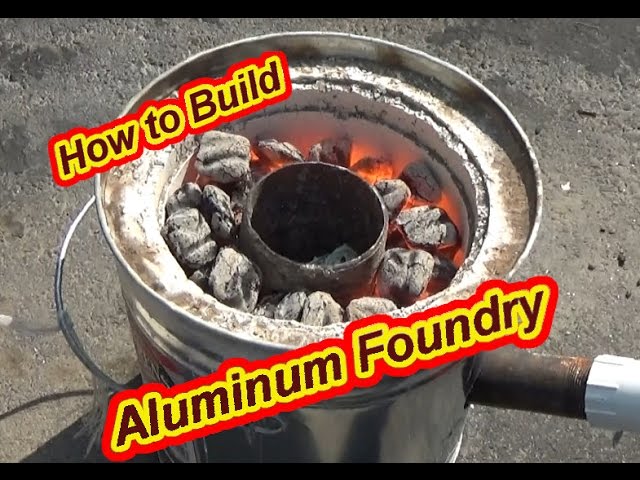
Steel spreading can be done in the house, provided individuals have the essential tools, products, and precaution in position. Correct ventilation, protective equipment, and adherence to guidelines are necessary for a risk-free, effective procedure.
How Do I Select the Right Spreading Technique for My Task?

Each technique, from sand spreading to investment casting, uses one-of-a-kind benefits and applications. The primary procedures consist of gravity casting, where metal flows right into a mold under its weight, and pressure casting, where liquified metal is forced right into a mold and mildew tooth cavity. Various spreading methods exist, sand casting remains the most prevalent method in the market due to its versatility and cost-effectiveness. Investment casting is a very accurate metal spreading technique that offers phenomenal detail in the last item. Among the myriad metal casting strategies, lost wax casting stands out for its special creative expression and rich historic origins.